
Commuter Bikes
Showing 1–16 of 24 results
-
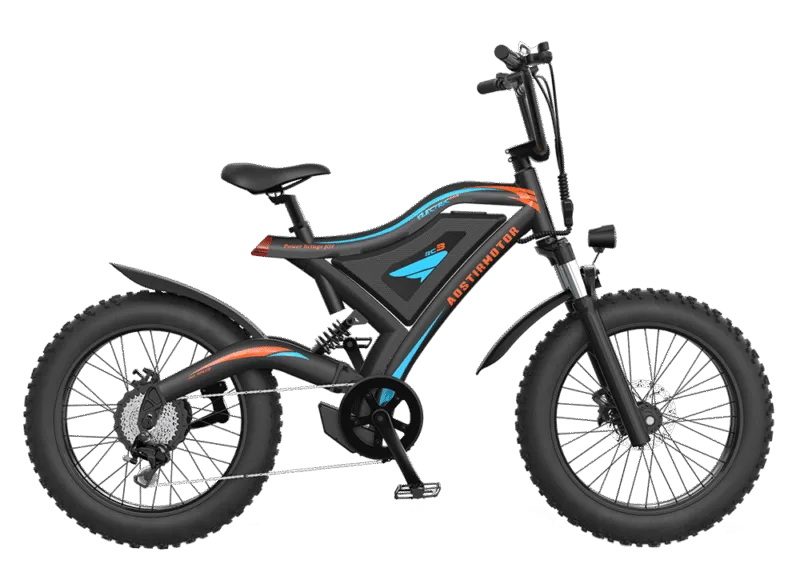
AOSTIR – 500W Versatile EBike S18-MINI
$1,420.00 Add to cart -
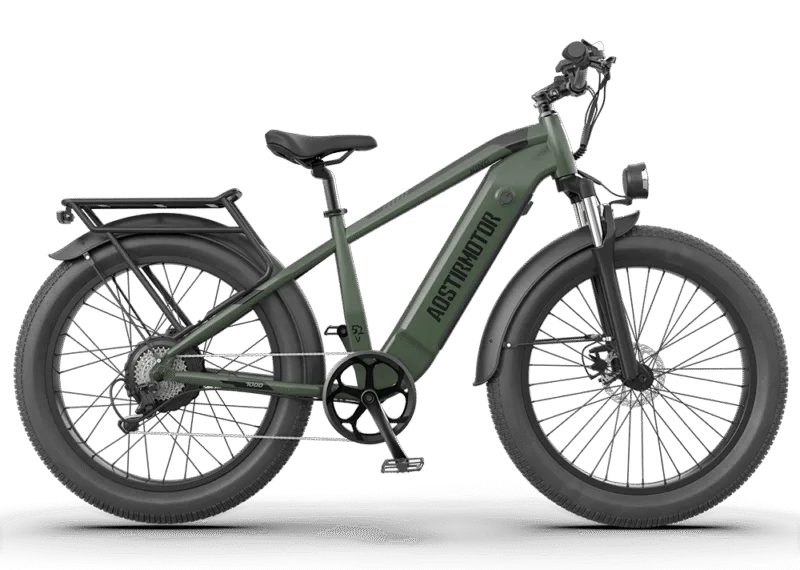
AOSTIR – 52V All-terrain Electric Bike King
$1,399.00 Add to cart -
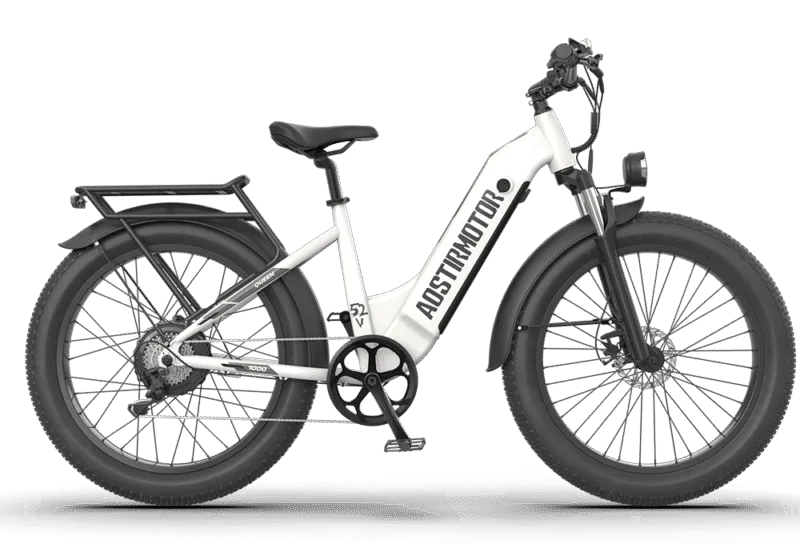
AOSTIR – 52V All-terrain Electric Bike Queen
$650.00 Add to cart -
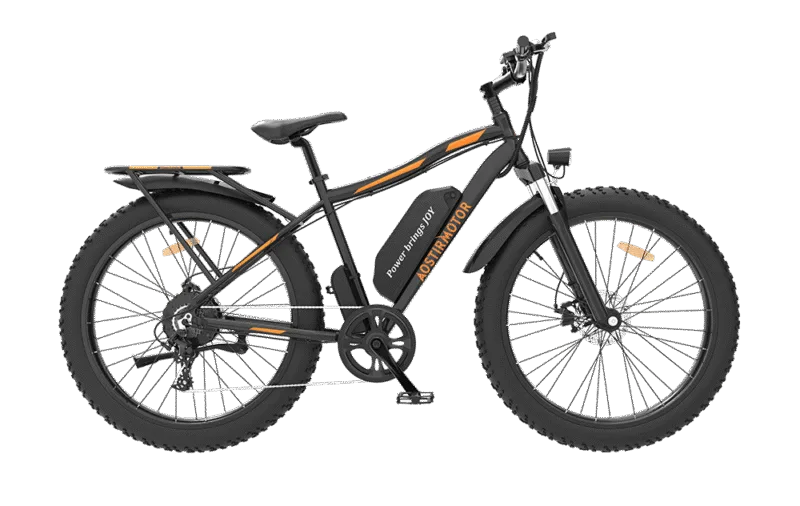
AOSTIR – 750W Electric Mountain Bike S07
$1,300.00 Add to cart -
Sale!
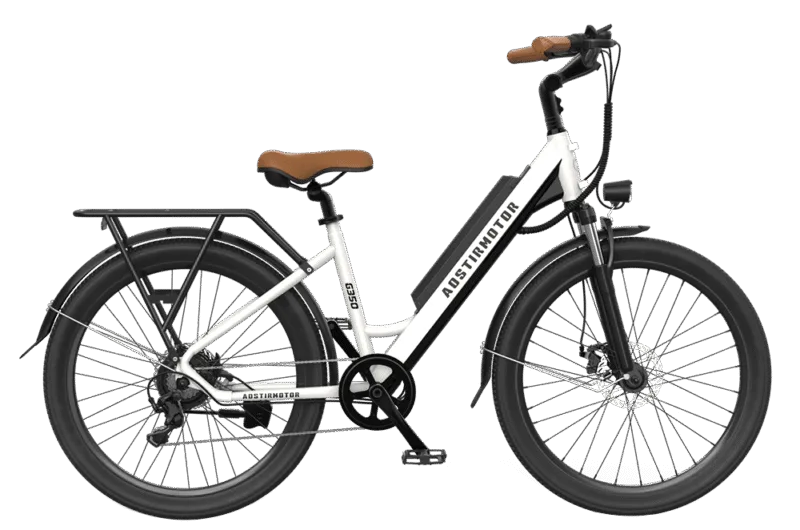
AOSTIR – COMFORTABLE COMMUTER EBIKE G350
Original price was: $969.00.$899.00Current price is: $899.00. Add to cart -
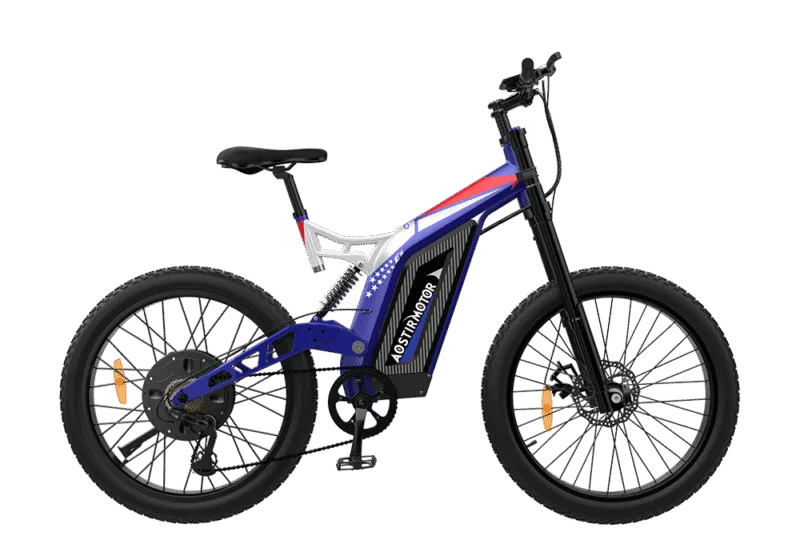
AOSTIR – Electric Bike S17 | Big Front Fork | 1500W
$1,499.00 Add to cart -
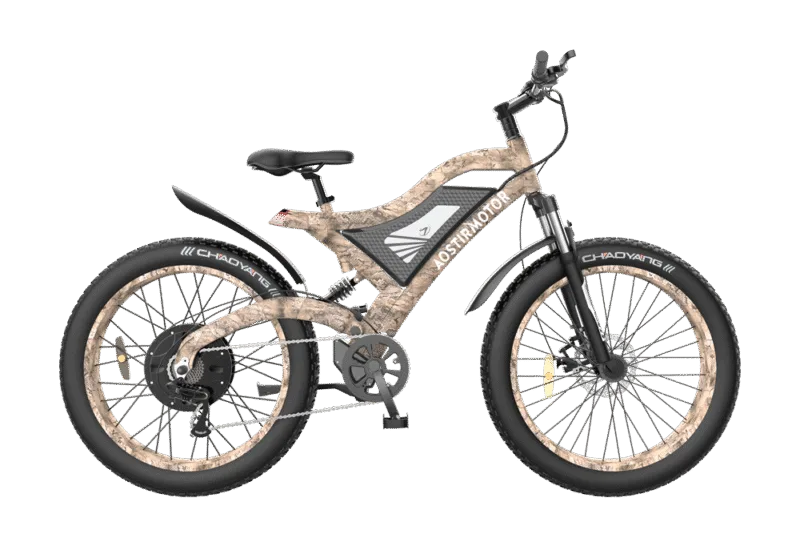
AOSTIR – Snakeskin Grain Mountain EBike S18-1500W
$1,499.00 Add to cart -
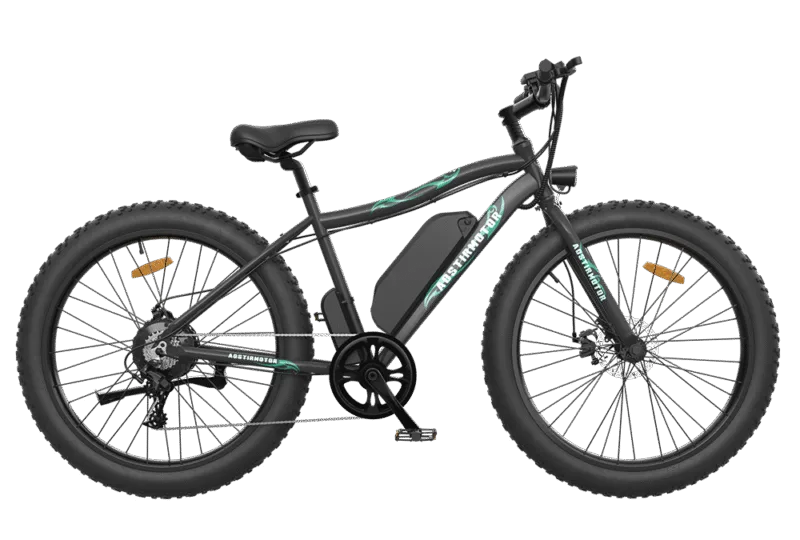
AOSTIR S07-P Electric bike _ Commuting and Hunting
$1,200.00 Add to cart -
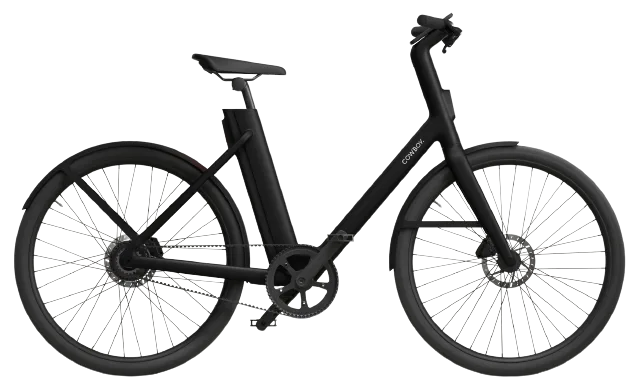
Cowboy 4 ST Bicycle
$2,100.00 Add to cart -
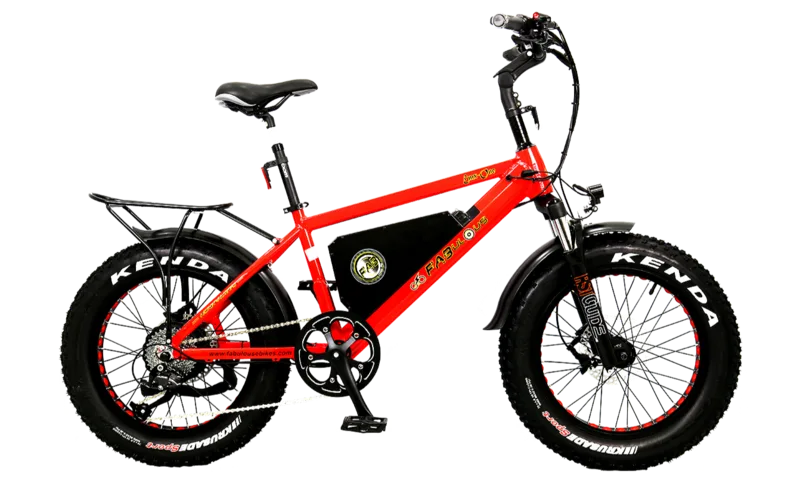
Fabulous – EMX One 60v
$1,999.00 Add to cart -
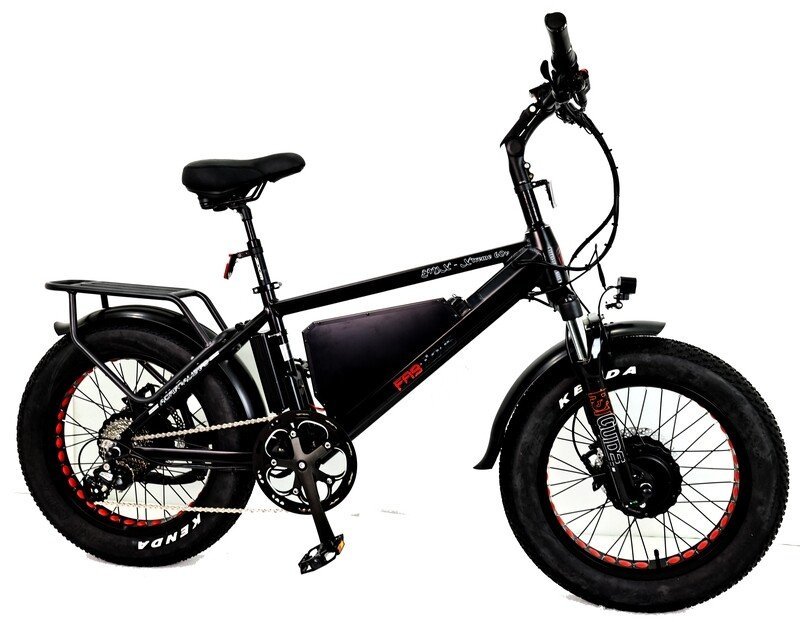
FABULOUS – EMX Xtreme 60v
$1,799.00 Add to cart -
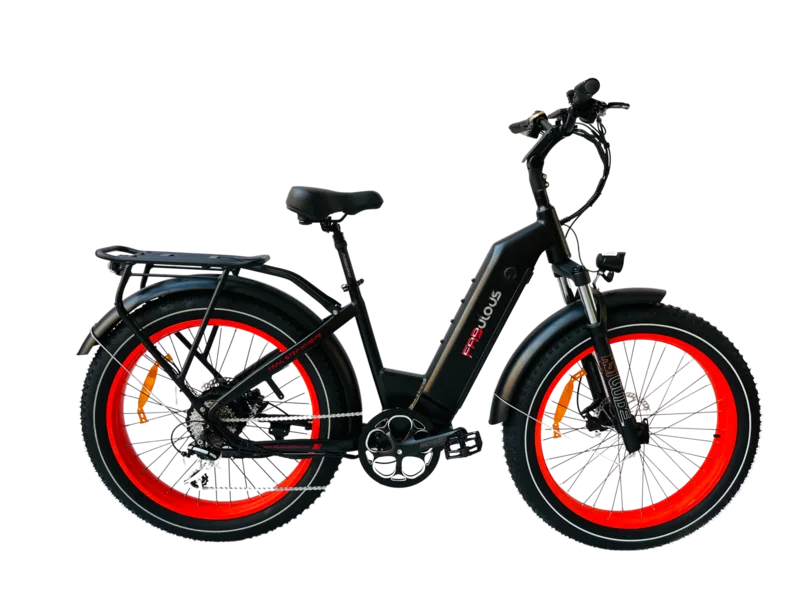
FABULOUS – TRAIL STEP Xtreme
$1,799.00 Add to cart -
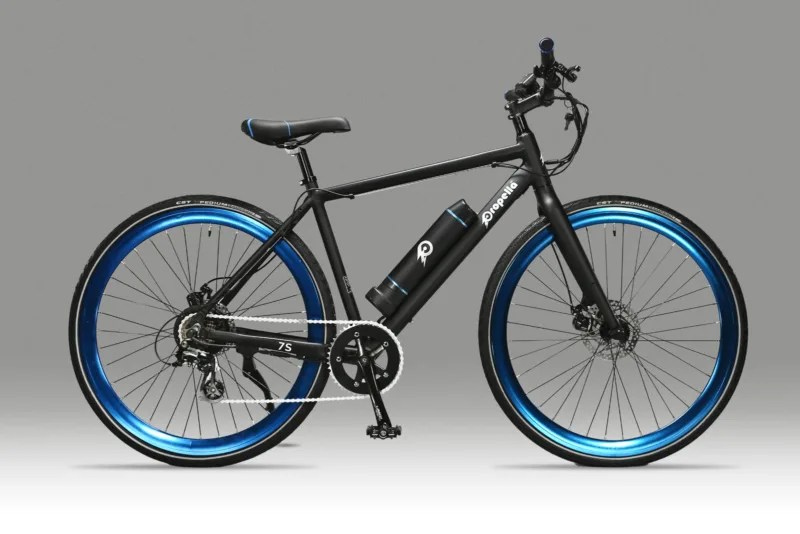
PROPELLA 7S Bicycle
$1,000.00 Add to cart -
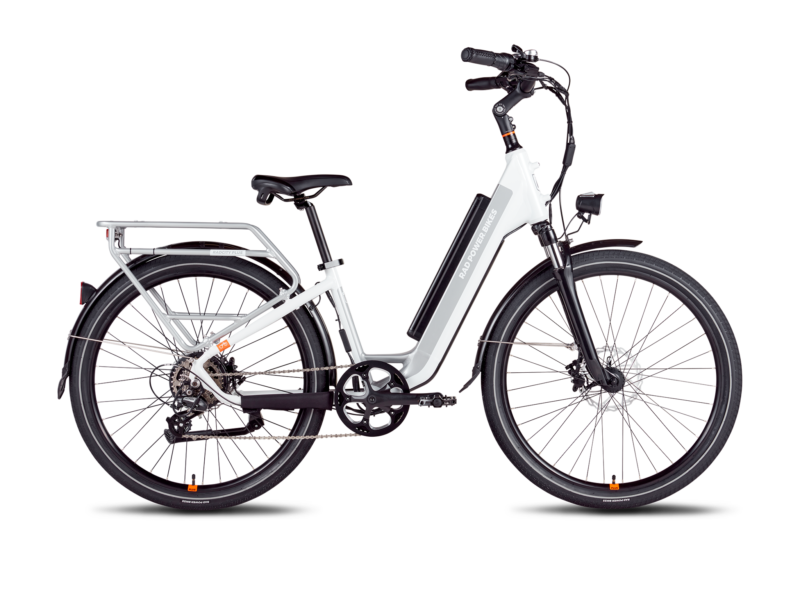
Rad Power – RadCity 5 Plus Electric Commuter Bike
$1,499.00 Add to cart -
Sale!
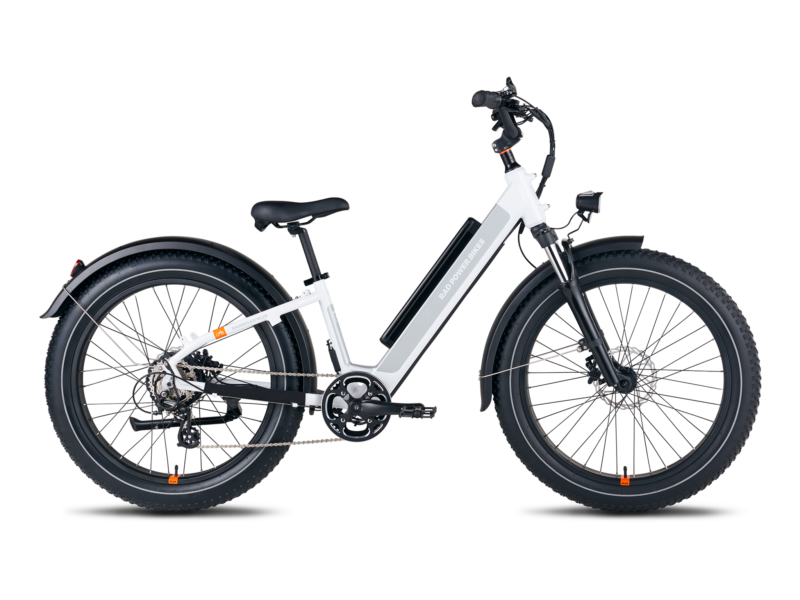
Rad Power – RadRover 6 Plus Electric Fat Tire Bicycle
Original price was: $2,000.00.$1,399.00Current price is: $1,399.00. Add to cart -
Sale!
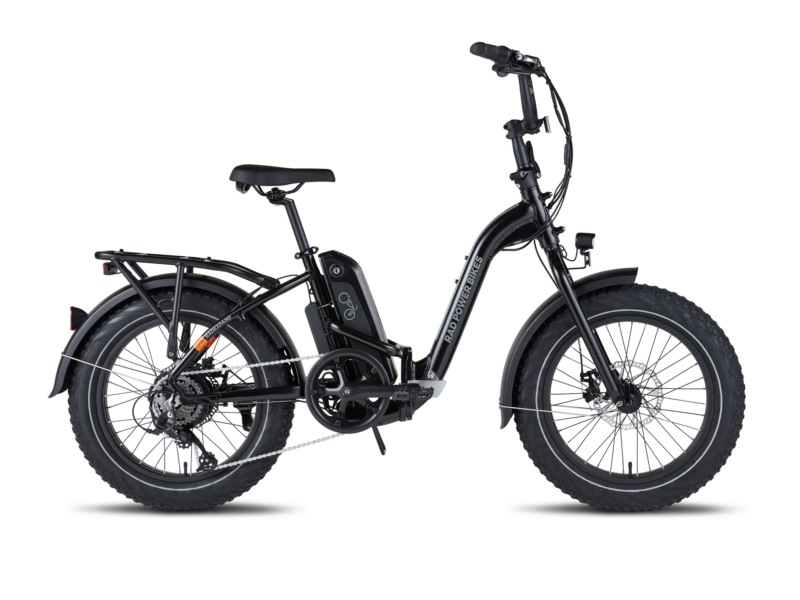
Rad Power – RadTrike Electric Tricycle
Original price was: $1,499.00.$1,249.00Current price is: $1,249.00. Add to cart
Electric Commuter Bikes
An electric commuter bike is built for the trip you actually make most days — to work, to class, to the store and back. Compared to a mountain or fat-tire build, a commuter ebike prioritizes upright comfort, predictable handling on pavement, and mounts for the racks, fenders, and lights that make daily riding practical. We stock 29 commuter models in Little Rock ranging from around $300 to $12,599, including the AVENTON – Level.2 Commuter Ebike, the Rad Power – RadCity 5 Plus Electric Commuter Bike, and the TREK FX+2 Commuter Bicycle.
Step-Through vs. Step-Over Frames
The frame decision matters more than most buyers expect, because it shapes how the bike feels every single time you get on it. A step-over frame has a high top tube and is generally stiffer, which some riders prefer on longer or faster rides. A step-through electric bike drops that top tube so you swing a leg through rather than over the saddle.
- Choose step-through if you ride in work clothes or a skirt, have limited hip mobility, make frequent stops in traffic, or want to plant both feet quickly at a light. The AVENTON – Level.2 Step-Through Commuter Ebike and the Aventon – Soltera Step-Through Ebike are built this way.
- Choose step-over if you want maximum frame rigidity, carry heavy loads, or ride longer distances where you are rarely dismounting. The AVENTON – Level Commuter Ebike and AVENTON – Soltera Ebike are step-over designs.
- Consider stability alternatives if balance is a concern — the Rad Power – RadTrike Electric Tricycle removes the balance question entirely.
- Consider rougher surfaces — if your route includes gravel, broken pavement, or unpaved shortcuts, the Rad Power – RadRover 6 Plus Electric Fat Tire Bicycle or our fat tire bikes handle it better than a narrow-tire city ebike.
How to Think About Range
Manufacturer range figures are measured under favorable conditions: a light rider, flat ground, low assist, mild weather. Your commute is not that test. Rather than chasing a headline number, calculate your round trip, then plan for meaningful margin on top of it. A useful habit is to treat your realistic need as your round-trip distance plus roughly half again, which absorbs headwinds, hills, cold mornings, and the gradual capacity loss every battery experiences over its life.
Ask yourself where the bike will charge. If you can plug in at work, one-way range is your real constraint and a smaller battery may be fine. If you only charge at home, the full round trip has to fit comfortably. Little Rock's rolling terrain and summer heat both draw more power than flat-and-mild conditions, so give yourself room. Riders hauling groceries or kids should also look at our cargo bikes, since added weight reduces effective range.
Practical Commuting Considerations
Locking is the first thing to sort out. An electric bike for commuting is heavier and more valuable than a standard bicycle, so budget for a serious U-lock and a secure place to park it.
Fenders and lights turn a fair-weather bike into an all-week bike. Fenders keep road spray off your clothes after Arkansas rain, and a rear rack lets you carry a bag on the bike instead of on your back.
Every electric commuter bike ships partially assembled and needs minor setup — handlebars, pedals, seat, and a brake check. Shipping is a $250 flat rate to the 48 contiguous states from our Little Rock warehouse; see shipping details for specifics. Local buyers can pick up fully assembled at 4509 W Dixon Rd, Little Rock, AR 72206 at no charge. New bikes carry 30-day returns and used bikes 14-day returns.